Homemade LCHF-friendly mayonnaise

A couple of weeks ago I decided to try to make homemade mayonnaise. You might wonder: why make it at home? Supermarkets have so many variations that there is no need to make it yourself. What I often find is that store-bought mayos contain useless carbs, for example my favourite store-bought mayo still has about 5 grams of carbs per 100 grams of product. But if you make it at home, it has almost 0 grams (0,67 grams) of carbs per 100 grams.
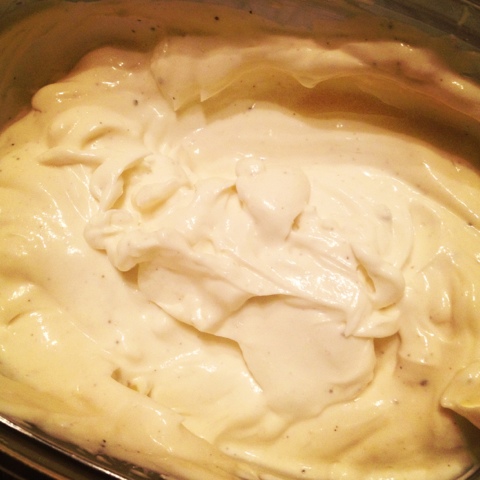
 

What do you need?

  • 1 egg

  • a little bit of lemon juice

  • a little bit of vinegar

  • a little bit of mustard, salt and pepper

  • 250 ml of oil (use whatever kind you like but not extra virgin olive oil!)

  • a bit of water (if mayo is too thick)

  • a stick mixer

  • air-tight container


How to make it?

Making it is so easy.

Just crack your egg in a long tall container that fits your stick mixer. Add a bit of salt, pepper and mustard. Add about 10 grams of lemon juice and couple of drops of vinegar. It really depends on how sour you want your mayo but you can’t leave something acidic out, then you won’t get mayo.

Pour in your oil. Then put the mixer right to the bottom and mix it for 10 seconds but do not move the mixer. Then slowly start to move up with you mixer until you reach the top.

And you are done!

If the mayo seems to thick, add a little bit of water and mix it in until you get to the consistency you like. Taste it, add seasoning if need to. Then you can play around with it: you can add garlic or paprica powder etc.

Store in an air-tight container in the fridge. Mine hasn’t ever gone bad in 1,5 weeks (don’t know about any longer because I’ve always used it up in about a week).

Here is a video that helped me on bowulf‘s YouTube channel:


What about nutrition facts?

The whole recipe (300 grams of mayo) is 2179 kcal, 7 g of protein, 2 g of carbs and 242 g of fat.

Makes 30 10 gram servings. Per serving: 73 kcal, 0,2 g of protein, 0,06 g of carbs, 8,1 g of fat.


Have fun making mayo!
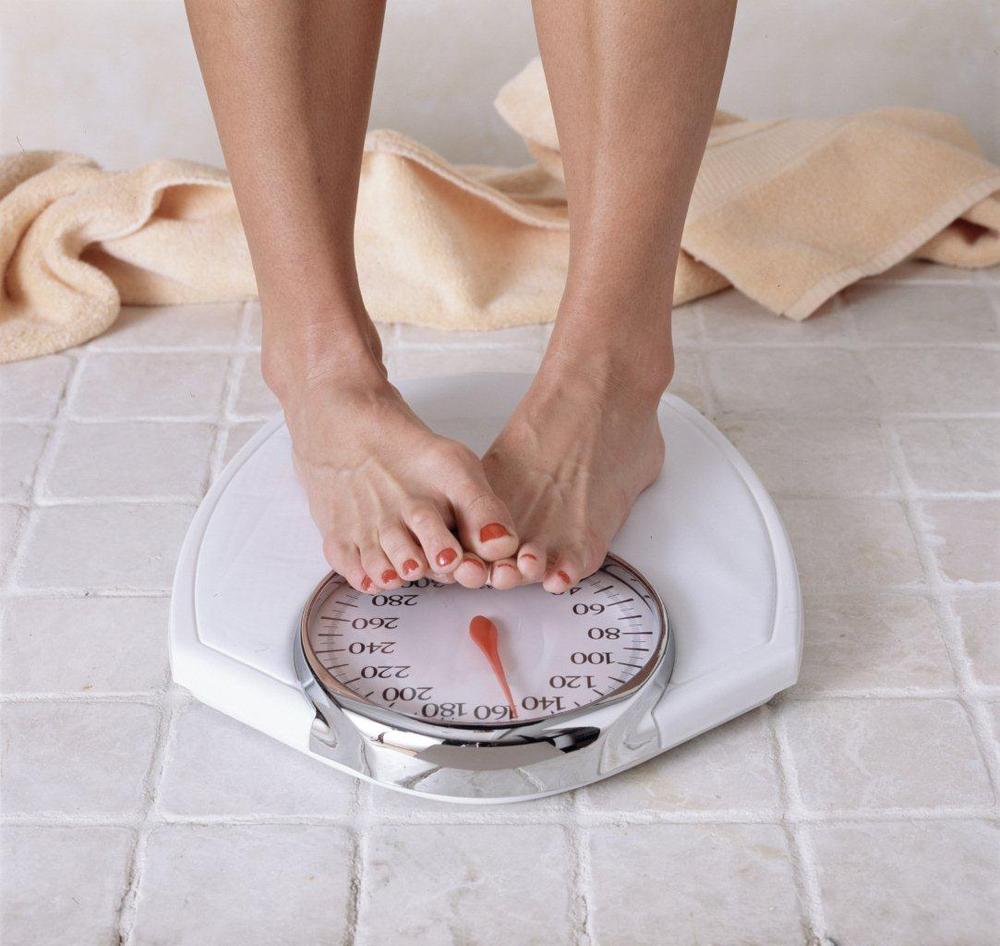
Dilemma: how often should you weigh yourself?

This question is a popular one in the diet-health-workout community. Some say once every two weeks, some say once a week, some once a day, some weigh themselves even more often than that.

So: how often should you?


Well, I’m going to disappoint you: there is no only truth here. It depends on a lot things.

1. Can you handle fluctuations?

I personally tend to weigh myself more than once a week. But I shouldn’t because I let this small number get me down. For example: I weighed myself yesterday morning and got a number. Now I go ahead and weigh myself this morning – and BAM! – I’m heavier, let’s say about 500 grams, or even a kilogram. And it gets my mood down for the whole entire day: this is extremely bad. Logic says that you can’t gain half a kilo of fat or muscle in 24 hours. So actually it is water. And you can gain water weight in so many ways: hormonal changes (ladies, you know what I mean, right?), sunburn, hot weather, dehydration etc etc etc. So the number is no big deal but if it gets your mood down, don’t weigh yourself more than once a week.


2. Why every day is good?

Although there are cons to weighing yourself every day / more than once a week, there are pros. Now imagine that: you weighed yourself last Saturday, got a number. Now this Saturday you weigh yourself again and BAM! – 500 grams heavier. You might freak out and think that something is wrong with your diet, exercise or attitude. But actually: if you had weighed yourself Thursday, you would have been 500 grams lighter than last Saturday and actually gained a kilo of water weight during Thursday and Friday. This is possible. So sometimes it’s quite useful to weigh youself every day.


So it is really up to you. If you can handle fluctuations, go ahead and weigh yourself every day. If you don’t, don’t weigh yourself every day. For me twice a week would be best but I still break that rule. The only thing I’m sure about is that more than once a day is excessive, I just don’t see the point in that. 


In conclusion: to each its own.